Patent Attorney for Technical Innovations
Protecting high-value intellectual property in AI, software, electronics, photonics, and advanced physics systems.
Protecting high-value intellectual property in AI, software, electronics, photonics, and advanced physics systems.
Combining deep technical expertise with strategic patent guidance to protect your most important ideas.
With a Ph.D. in Physics and M.S. in Electrical Engineering, I ensure your patents are precise and effective.
I craft patents strategically to maximize protection and strengthen your portfolio.
I turn complex inventions into enforceable, business-savvy patents.
I help innovators protect complex technologies with patents built for long-term value, not just allowance. My practice blends deep technical fluency with strategic patent drafting and prosecution.

Protecting innovations with expert patent drafting, prosecution, and strategic advice.

Securing AI innovations with strategic patents that turn complex concepts into enforceable inventions.
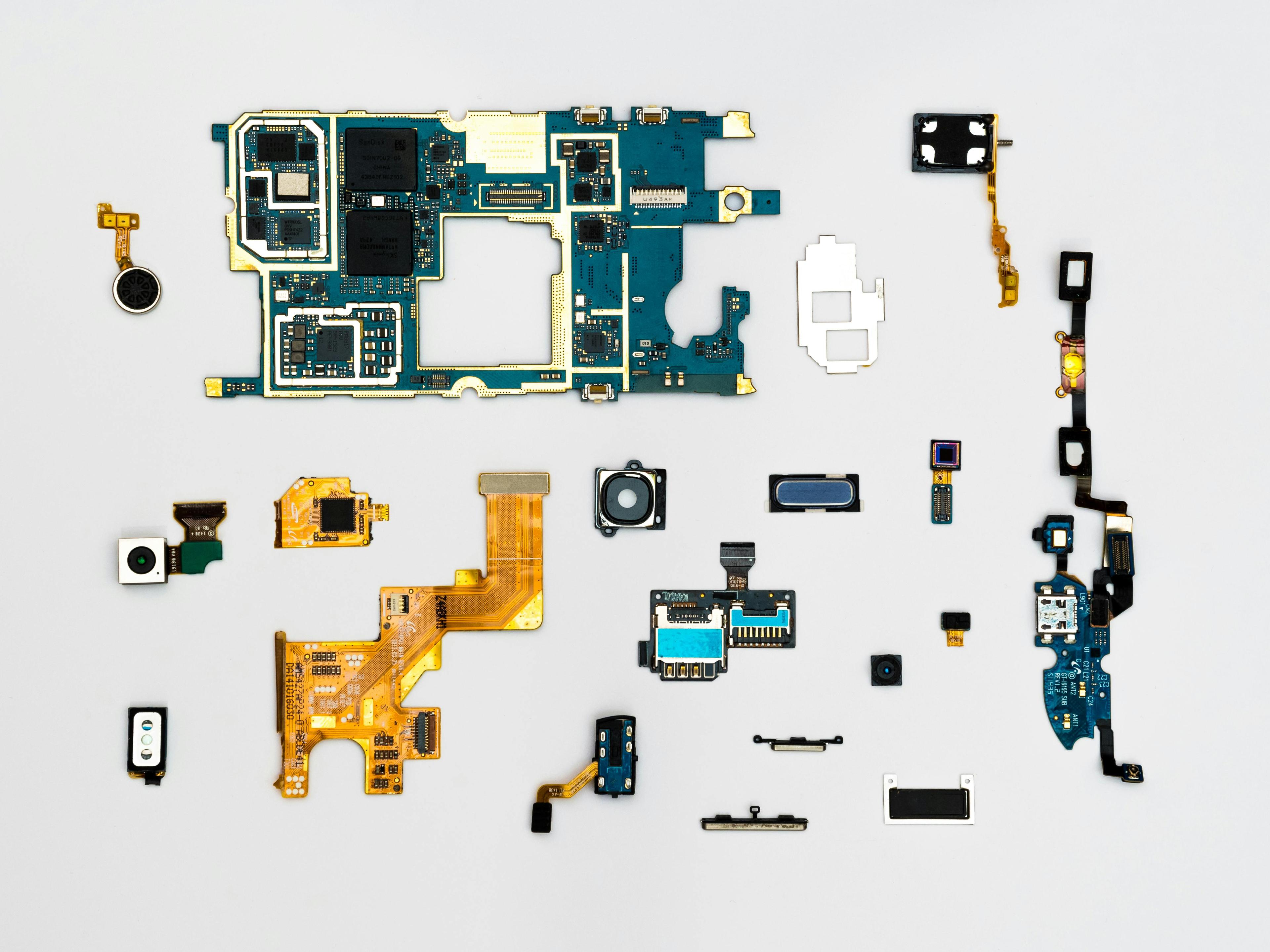
Safeguarding advances in semiconductors, circuits, and IoT.

Turning quantum and physics breakthroughs into precise, enforceable patents.
Straight answers. No fluff.
In most cases, a patent application should be filed before any public disclosure of the invention. Public disclosures may include conference presentations, product launches, academic publications, marketing materials, investor pitch decks, or open-source releases. Under U.S. law, limited grace periods may exist, but many foreign jurisdictions do not provide the same protection.
From a strategic perspective, filing timing is often driven by business milestones: fundraising, product launch, partnership negotiations, or competitive signals. In fast- moving technical fields, early filing under a first-inventor-to-file regime can be critical to preserving priority.
A provisional application establishes an early filing date and provides 12 months to file a corresponding nonprovisional application. It is not examined and does not mature into a patent by itself. Its value depends entirely on the quality and completeness of the disclosure.
A nonprovisional application is examined by the USPTO and can mature into an issued patent. The claims in the nonprovisional application receive the benefit of the provisional filing date only if the provisional adequately supports them.
Provisionals can be effective timing and cost-management tools, but they must be drafted with sufficient technical detail to support later claim scope.
In the United States, examination commonly begins 12–24 months after filing, and total time to issuance often ranges from 2–4 years, depending on the technology area and prosecution path. Accelerated examination options may be available in certain circumstances.
International timelines vary. If a Patent Cooperation Treaty (PCT) application is filed, national phase entry typically occurs around 30 months from the earliest priority date.
Costs vary depending on the complexity of the technology, the number of claims, and prosecution dynamics. As a general range:
Preparing and filing a U.S. application may range from moderate to substantial depending on technical complexity. -Prosecution costs depend on the number of Office Actions and required amendments. - International filings increase costs significantly due to translation, foreign counsel, and jurisdictional fees.
Patent protection should be viewed as a capital allocation decision. The appropriate level of investment depends on the strategic importance of the technology to the business.
A U.S. patent provides protection only within the United States. If a company anticipates manufacturing, selling, licensing, or being acquired in international markets, foreign filings may be appropriate.
The Patent Cooperation Treaty (PCT) provides a mechanism to preserve international filing options without immediately selecting individual countries. It does not itself result in a global patent, but it defers country-by-country decisions and costs.
International strategy should be aligned with: -Target markets - Manufacturing locations -Competitor geography -Acquisition considerations
A PCT filing is often appropriate when international market exposure is plausible but not yet certain. It provides additional time—typically up to 30 months from the priority date—to assess commercial traction before committing to specific jurisdictions.
However, PCT filings add cost and eventual national phase expenses. Not all technologies justify international protection. The decision should be guided by market analysis and business strategy rather than reflexive expansion.
Michael V. Pack, Ph.D.
Protecting high-value intellectual property in AI, machine learning, software, electronics, and advanced physics-based systems.
© 2026 Pack IP Law. All rights reserved.
Attorney Advertising. Prior results do not guarantee a similar outcome.